
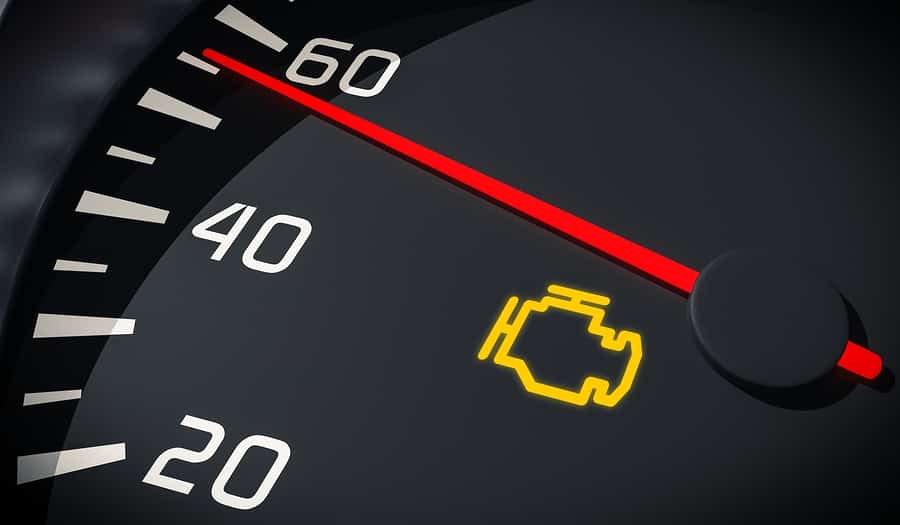
Few things make a driver’s heart race faster than watching the check engine light flash on the dashboard — only for it to suddenly stop. If you’ve experienced your check engine light flashing then stops, you’re not alone. Millions of drivers encounter this confusing situation every year, and most of them don’t know whether to panic, pull over, or simply keep driving.
Here’s the truth: a flashing check engine light that stops on its own is not something you should ignore. While it may seem like the problem has resolved itself, there’s almost always an underlying issue that needs attention.
In this comprehensive guide, we’ll explain exactly what it means when your check engine light flashes and then stops, what causes it, how serious it is, and the step-by-step actions you should take to protect your engine and your wallet.
What Does It Mean When Your Check Engine Light Flashes Then Stops?
When your check engine light flashing then stops, it typically indicates that your engine experienced a temporary misfire or a momentary fault that corrected itself.
Your car’s Engine Control Module (ECM) constantly monitors dozens of sensors throughout the vehicle. When it detects a problem — even a brief one — it triggers the check engine light. If the issue resolves on its own within a few drive cycles, the ECM may turn the light off automatically.
However, just because the light turned off doesn’t mean the problem is gone. In most cases, a Diagnostic Trouble Code (DTC) has already been stored in the system’s memory. This stored code holds the key to understanding what went wrong.
Key Takeaway:
“A check engine light that flashes and then stops signals a temporary but potentially serious engine issue that was detected and then temporarily resolved by the vehicle’s computer system.”
Flashing vs. Steady Check Engine Light: What’s the Difference?
Understanding the difference between a flashing and a steady check engine light is critical for every driver.
| Light Behavior | Severity | What It Means | Action Required |
|---|---|---|---|
| Steady/Solid Light | Moderate | Minor emissions or sensor issue | Schedule a diagnostic appointment soon |
| Flashing Light | Severe | Active engine misfire or critical fault | Reduce speed immediately; seek urgent repair |
| Flashing Then Stops | Moderate to Severe | Temporary misfire or intermittent fault | Read stored codes; diagnose within days |
As you can see, a flashing check engine light is always more serious than a steady one. It usually indicates a real-time engine misfire that can damage your catalytic converter — one of the most expensive components to replace.
When the light flashes and then stops, it means the misfire happened but was not continuous. Nevertheless, it’s a strong warning sign that something is wearing out or failing intermittently.
Top 8 Causes of a Check Engine Light Flashing Then Stops
There are several reasons why you might experience your check engine light flashing then stops. Below are the most common culprits, ranked from most to least likely.
1. Engine Misfire (Most Common Cause)
An engine misfire occurs when one or more cylinders fail to ignite fuel properly. This is, by far, the number one reasonfor a flashing check engine light.
A brief misfire can happen due to:
- A worn or fouled spark plug
- A weak ignition coil
- Momentary fuel delivery issues
- A temporary vacuum leak
If the misfire is intermittent, the light may flash during the event and then turn off once normal combustion resumes.
Common OBD2 Codes: P0300, P0301, P0302, P0303, P0304
2. Failing Spark Plugs or Ignition Coils
Spark plugs and ignition coils wear out over time. As they degrade, they may work inconsistently — firing correctly most of the time but occasionally failing.
This inconsistency causes the check engine light to flash briefly and then stop once the spark resumes. If your spark plugs haven’t been replaced in over 60,000–100,000 miles, they are a prime suspect.
Signs to watch for:
- Rough idle that comes and goes
- Slight hesitation during acceleration
- Reduced fuel economy
3. Loose or Damaged Gas Cap
Believe it or not, a loose gas cap is one of the most common triggers for a check engine light. A faulty gas cap allows fuel vapors to escape, which the Evaporative Emission Control System (EVAP) detects as a leak.
While a loose gas cap more commonly causes a steady light, in some vehicles it can trigger a brief flash before the system re-evaluates and turns the light off.
Quick Fix: Remove the gas cap, inspect the rubber seal, and re-tighten it until you hear a click. Drive for a day or two to see if the light stays off.
4. Faulty Oxygen (O2) Sensor
Your car’s oxygen sensors measure the amount of unburned oxygen in the exhaust. A failing O2 sensor can send erratic signals to the ECM, causing momentary fuel mixture imbalances that trigger a flash.
Once the sensor provides a normal reading again, the light may turn off. However, a degraded O2 sensor will continue to cause intermittent issues and will eventually fail completely.
Common OBD2 Codes: P0130, P0131, P0133, P0135
5. Catalytic Converter Issues
If your catalytic converter is beginning to fail, it may not process exhaust gases efficiently during certain driving conditions (such as hard acceleration or highway driving).
This can trigger a temporary flash. As conditions normalize, the light may turn off. A failing catalytic converter is expensive to replace (often $1,000–$2,500+), so early diagnosis is crucial.
6. Mass Airflow (MAF) Sensor Problems
The MAF sensor measures the amount of air entering the engine. A dirty or failing MAF sensor can send incorrect readings, causing the engine to run too rich or too lean momentarily.
Pro Tip: Cleaning your MAF sensor with a specialized MAF cleaner spray ($8–$12) often resolves this issue without needing a replacement.
7. Vacuum Leak
A vacuum leak occurs when air enters the engine through a cracked or disconnected hose. Small, intermittent vacuum leaks can cause brief misfires that trigger a flashing check engine light.
As the engine warms up or operating conditions change, the leak may temporarily seal, causing the light to stop flashing.
Signs of a vacuum leak:
- Hissing sound from the engine bay
- Rough or high idle
- Stalling at idle
8. Fuel System Issues
Problems with the fuel pump, fuel injectors, or fuel pressure regulator can cause inconsistent fuel delivery. When a cylinder doesn’t receive enough fuel, it misfires.
If the fuel delivery issue is intermittent — for example, a fuel injector that occasionally sticks — the check engine light may flash temporarily and then stop.
Is It Safe to Drive When Your Check Engine Light Flashes Then Stops?
This is one of the most frequently asked questions, and the answer depends on a few factors.
In general, you can continue driving cautiously for a short time, but you should get your car diagnosed as soon as possible — ideally within 1–3 days.
Here’s a quick safety guide:
✅ It’s Probably Safe to Drive If:
- The light flashed briefly and hasn’t returned
- The car is running smoothly with no unusual sounds
- There is no loss of power or rough idling
- No other warning lights are on
⚠️ Stop Driving and Seek Immediate Help If:
- The light starts flashing again and won’t stop
- You notice a strong burning smell or smoke
- The engine is shaking or running very rough
- You hear knocking or pinging sounds
- The temperature gauge is rising
Important: Every time your engine misfires, unburned fuel can enter the catalytic converter and cause it to overheat. Repeated misfires — even brief ones — can destroy a catalytic converter in a surprisingly short time.
What to Do When Your Check Engine Light Flashes Then Stops
Follow these steps to handle the situation properly and avoid costly damage.
Step 1: Stay Calm and Observe
Don’t panic. Note exactly when the flashing occurred. Were you accelerating hard? Going uphill? Idling at a stoplight? This context can help a mechanic diagnose the problem faster.
Step 2: Check the Gas Cap
Pull over when it’s safe and check your gas cap. Tighten it firmly. This simple step resolves the issue in roughly 10–15% of cases.
Step 3: Reduce Engine Load
If you’re towing, carrying heavy cargo, or driving aggressively, reduce the load on your engine. Drive at moderate speeds and avoid hard acceleration until you can get a diagnosis.
Step 4: Scan for OBD2 Trouble Codes
Use an OBD2 scanner to read any stored diagnostic trouble codes. Even if the light is off, the codes are usually still stored in memory. This is the single most important step you can take.
Step 5: Schedule a Diagnostic Appointment
Take your vehicle to a trusted mechanic or dealership for a professional diagnosis. Share the trouble codes you found and describe exactly when and how the light behaved.
Step 6: Don’t Clear the Codes Prematurely
Resist the temptation to clear the codes and “see if it comes back.” The stored codes are valuable diagnostic information. Clearing them forces the mechanic to start from scratch.
<a id=”read-obd2-codes”></a>
How to Read OBD2 Codes at Home
Reading your car’s trouble codes at home is easier and more affordable than you might think. Here’s how to do it:
What You’ll Need:
- An OBD2 scanner (available for $20–$50 on Amazon) or a Bluetooth OBD2 adapter with a smartphone app
Step-by-Step Instructions:
- Locate the OBD2 port — It’s usually under the dashboard on the driver’s side, near the steering column.
- Plug in the scanner with the ignition turned to the “ON” position (engine off).
- Select “Read Codes” on the scanner or app.
- Write down all codes that appear, including both active and pending codes.
- Research the codes — Search each code online (e.g., “P0301 meaning”) to understand what system is affected.
Popular OBD2 Scanner Apps:
- Torque Pro (Android)
- OBD Fusion (iOS and Android)
- BlueDriver (iOS and Android — also provides repair suggestions)
Pro Tip: Pending codes are especially important when your check engine light was flashing then stopped. These codes indicate a fault that was detected but hasn’t yet triggered a permanent code.
How Much Does It Cost to Fix?
The cost to fix the issue behind a check engine light flashing then stops varies widely depending on the cause.
| Repair | Estimated Cost |
|---|---|
| Gas cap replacement | $5 – $25 |
| Spark plug replacement | $50 – $200 |
| Ignition coil replacement | $100 – $350 |
| Oxygen sensor replacement | $150 – $400 |
| MAF sensor cleaning/replacement | $10 – $300 |
| Vacuum hose repair | $50 – $200 |
| Fuel injector cleaning/replacement | $100 – $600 |
| Catalytic converter replacement | $1,000 – $2,500+ |
As you can see, early diagnosis can save you from turning a $50 spark plug job into a $2,000+ catalytic converter replacement. That’s why addressing a flashing check engine light quickly is so important.
How to Prevent Future Check Engine Light Issues
Prevention is always cheaper than repair. Follow these maintenance tips to minimize the chances of your check engine light flashing in the future.
1. Follow Your Manufacturer’s Maintenance Schedule
Regular oil changes, spark plug replacements, and filter changes go a long way in preventing engine problems.
2. Replace Spark Plugs on Time
Most spark plugs need replacement every 60,000–100,000 miles, depending on the type. Don’t wait until they fail.
3. Use Quality Fuel
Cheap, low-quality gasoline can cause carbon buildup and fuel system issues. Use Top Tier fuel whenever possible.
4. Don’t Ignore Small Problems
A slight rough idle, a tiny hesitation, or a minor drop in fuel economy are all early warning signs. Address them before they escalate.
5. Tighten Your Gas Cap Properly
Make it a habit to tighten your gas cap until you hear at least one click every time you fill up.
6. Get Annual Diagnostic Scans
Even if no warning lights are on, an annual OBD2 scan can catch pending issues before they become serious problems.
7. Keep Your Air Filter Clean
A dirty air filter restricts airflow and can cause the engine to run rich, leading to misfires and sensor issues.
Frequently Asked Questions (FAQs)
Can a check engine light flash and then turn off on its own?
Yes, absolutely. When your check engine light flashing then stops, it means the car’s computer detected a temporary fault (usually a misfire) that resolved on its own. However, a trouble code is likely still stored in memory, and the underlying cause should be investigated.
Will a flashing check engine light clear itself permanently?
In some cases, if the issue doesn’t recur over several driving cycles (usually 40–80 drive cycles), the ECM will clear the code automatically. However, this doesn’t guarantee the problem won’t return. It’s always better to diagnose the root cause.
How long can I drive with a check engine light that flashed and stopped?
If the car is running normally and no other symptoms are present, you can generally drive for a few days before getting it checked. However, avoid long highway trips, towing, or aggressive driving until the issue is diagnosed.
Is a flashing check engine light an emergency?
A continuously flashing check engine light is considered an emergency and means you should reduce speed and seek immediate service. A light that flashed briefly and then stopped is less urgent but still requires prompt attention.
Can bad gas cause the check engine light to flash then stop?
Yes. Contaminated or low-quality fuel can cause incomplete combustion and temporary misfires. If you recently filled up at an unfamiliar gas station, bad fuel could be the cause. Try adding a fuel system cleaner and filling up with premium fuel from a reputable station.
Should I still go to the mechanic if the check engine light turned off?
Yes. Even though the light is off, a diagnostic trouble code is almost certainly stored in your car’s computer. A mechanic can read this code and identify the problem before it leads to a more expensive repair.
Can I pass an emissions test if my check engine light flashed then stopped?
If the light is currently off and no active codes are present, you may pass the emissions test. However, some states also check for pending codes and incomplete readiness monitors, which could cause a failure. It’s best to get the issue fully resolved before testing.
What is the most common reason for a check engine light to flash briefly?
The most common reason is an intermittent engine misfire, typically caused by aging spark plugs, a weak ignition coil, or a minor fuel delivery issue.
Final Thoughts
Experiencing your check engine light flashing then stops can be stressful, but it doesn’t have to be a disaster. In most cases, the issue is caused by an intermittent engine misfire that can be traced back to worn spark plugs, a failing ignition coil, or a minor sensor issue.
The most important thing you can do is not ignore it. A quick OBD2 scan — either at home or at your local auto parts store (many offer free scans) — will reveal the stored trouble codes and point you in the right direction.
By addressing the problem early, you can avoid turning a simple, affordable repair into a catastrophic and expensive engine or catalytic converter failure.
Remember: Your check engine light is your car’s way of communicating with you. When it flashes, it’s shouting. When it stops, it’s not saying “never mind” — it’s saying “I told you once, and I’ll tell you again.”
Listen to your car. Act promptly. And drive with confidence knowing you’ve taken the right steps.