
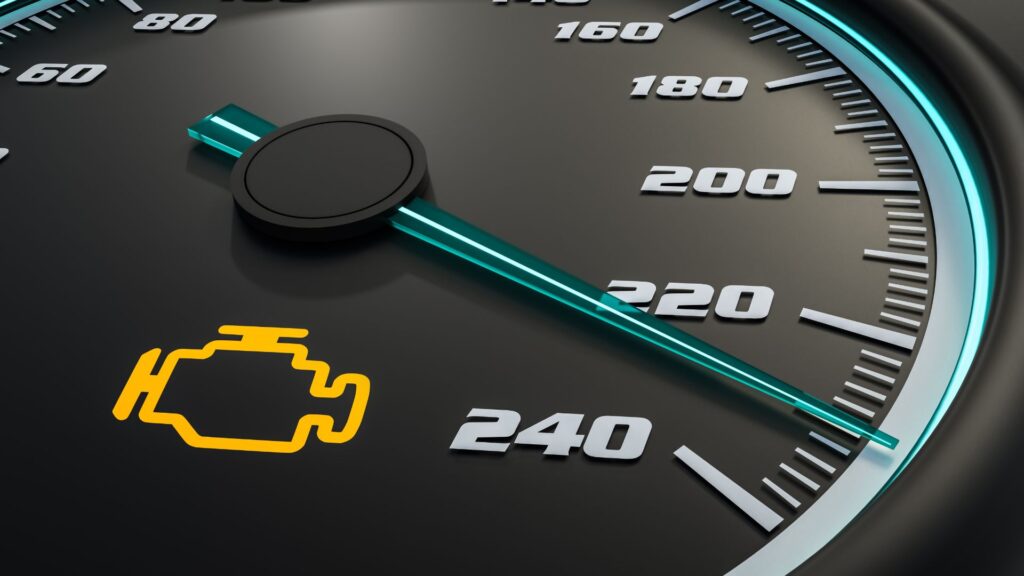
You just drove away from the oil change shop feeling great about taking care of your car. Fresh oil. New filter. Maintenance done right. Then — that dreaded amber light appears on your dashboard.
It feels like a cruel joke. How can a routine oil change cause the check engine light to turn on? Shouldn’t your car be running better now, not throwing warning codes?
Here’s the reality: a check engine light after oil change is surprisingly common, and it happens to thousands of drivers every week. The good news? In most cases, the cause is something simple — often a mistake made during the service rather than a serious engine problem.
In this guide from CarCostGuide.com, you’ll learn exactly why this happens, the six most common triggers, how to reset the light yourself, and when you should actually be concerned.
💡 Dealing with other warning lights too? Our [complete dashboard warning lights guide] breaks down every symbol on your instrument cluster in plain English.
Why Does the Check Engine Light Come On After an Oil Change?
The check engine light activates when your vehicle’s On-Board Diagnostics II (OBD-II) system detects a problem with the engine, emissions, or related sensors. An oil change itself doesn’t directly trigger this system. However, the process of performing the oil change can inadvertently disturb components, create leaks, or introduce small errors that the OBD-II system picks up.
Think of it this way: a technician working under your hood touches, moves, and accesses areas near sensitive sensors and wiring. One bumped connector, one loose cap, or one wrong oil specification — and the computer flags it.
| Scenario | Likely Cause | Severity |
|---|---|---|
| Light appeared immediately after service | Loose gas cap, bumped sensor, dipstick not seated | Low |
| Light appeared within 50 miles | Wrong oil viscosity, overfill, oil filter issue | Low to Moderate |
| Light appeared days later | Coincidental unrelated issue, pre-existing fault | Varies |
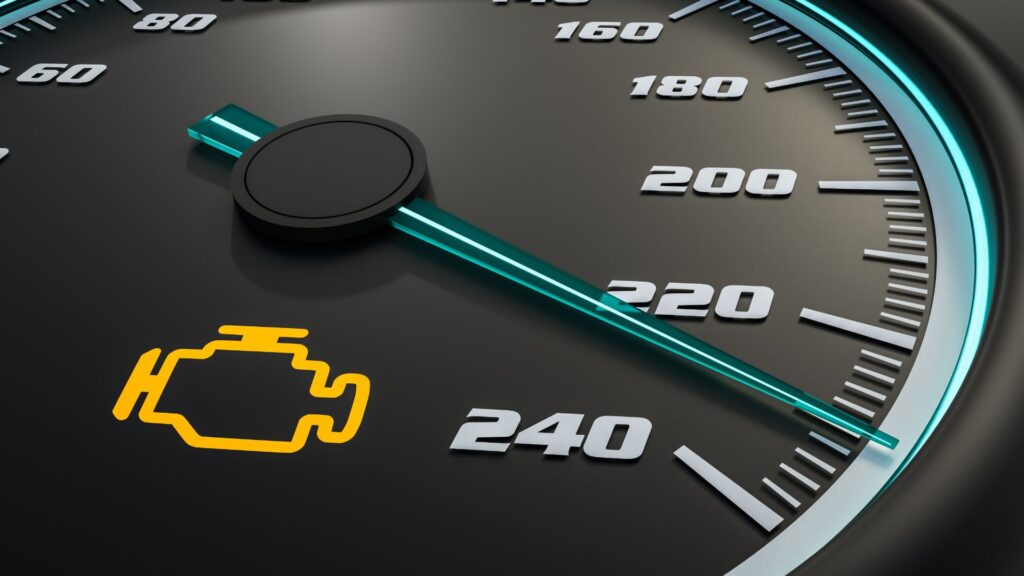
6 Common Causes of Check Engine Light After Oil Change
Here are the specific reasons the check engine light comes on after an oil change — ranked from most to least common.
1. Loose or Missing Oil Filler Cap
This is the single most frequent cause. After adding new oil, the technician may not have fully tightened the oil filler cap — or forgotten to replace it entirely. Your car’s EVAP system detects the resulting pressure leak and triggers the check engine light.
Common DTC codes: P0455, P0457 (large EVAP leak)
Quick fix: Open the hood, locate the oil filler cap on top of the engine, and twist it until it clicks securely. Drive for 30–50 miles and the light should clear on its own.
2. Loose Gas Cap
Here’s an odd one — but it happens constantly. Technicians sometimes open the gas cap during multi-point inspections or fuel system checks. If they don’t retighten it properly, the EVAP system detects a fuel vapor leak.
Quick fix: Remove the gas cap, inspect the rubber seal, and reinstall until you hear a firm click.
💡 CTA: Wondering if your issue is gas-cap related? Read our [EVAP system leak guide] for a deeper dive into vapor leak codes and fixes.
3. Bumped or Disconnected Sensor Connector
Working under the hood means hands and tools come close to dozens of electrical connectors and sensor wires. A bumped MAF sensor connector, a loosened oxygen sensor plug, or a displaced vacuum hose can all trigger the check engine light.
Common sensors affected:
- Mass Air Flow (MAF) sensor
- Oil pressure sending unit
- Crankcase ventilation (PCV) valve connection
- Oxygen sensor connectors near the oil filter area
4. Overfilled or Underfilled Engine Oil
Too much oil is just as bad as too little. Overfilling causes the crankshaft to whip the oil into foam, reducing lubrication effectiveness and potentially triggering oil pressure or catalyst efficiency codes. Underfilling can trigger low oil pressure warnings.
How to check: Pull the dipstick on a level surface with the engine off for 5 minutes. The oil level should sit between the MIN and MAX marks — not above, not below.
5. Wrong Oil Viscosity or Specification
Modern engines are extremely sensitive to oil specifications. Using 10W-40 in an engine designed for 0W-20, for example, changes oil flow characteristics enough to trigger sensor readings outside normal parameters.
According to the American Petroleum Institute (API), using non-specified oil can affect engine performance, emissions output, and fuel economy — all of which the OBD-II system monitors.
Real-world example: Many newer Toyota, Honda, and Hyundai engines require 0W-20 full synthetic specifically. Conventional 5W-30 will trigger codes on these vehicles.
6. Oil Filter Issues
A wrong-size filter, improperly seated filter, or low-quality filter can cause oil pressure irregularities and even small leaks near the filter housing. Some aftermarket filters have incorrect bypass valve ratings that affect oil flow.
Additionally, if the old filter’s gasket remained stuck to the engine (a common mistake) and the new filter was installed on top of it, you’ll get a significant oil leak — and potentially an oil pressure warning code.
📸 [Image #2] — Infographic showing all 6 causes with clear icons
How to Reset the Check Engine Light After an Oil Change
Once you’ve identified and fixed the underlying cause, here’s how to clear the light.
Method 1: Drive and Wait (Easiest)
Many vehicles automatically clear the check engine light after 3 consecutive drive cycles without detecting the fault again. Simply fix the issue (tighten the oil cap, reseat a connector, etc.) and drive normally for 50–100 miles.
Method 2: OBD-II Scanner Reset
- Purchase or borrow an OBD-II scanner ($15–$50 for a basic Bluetooth adapter).
- Plug it into the OBD-II port under the dashboard (driver’s side).
- Turn the ignition to ON (don’t start the engine).
- Select “Read Codes” — write down all codes for reference.
- Select “Clear Codes” or “Erase DTCs.”
- Start the engine and confirm the light is off.
Method 3: Battery Disconnect
- Turn off the engine.
- Disconnect the negative (-) battery terminal.
- Wait 15–20 minutes.
- Reconnect the terminal.
- Start the vehicle.
Important note: This method also resets your radio presets, clock, and power window calibration on some vehicles.
Method 4: Ignition Cycle Method (Select Vehicles)
- Turn the key to ON (don’t start) — wait 3 seconds.
- Turn to OFF — wait 3 seconds.
- Repeat this cycle 3–5 times.
- Start the engine and check if the light cleared.
This works on certain older vehicles but isn’t universal.
📸 [Image #3] — Step-by-step reset methods infographic
Is It Safe to Drive With the Check Engine Light On After an Oil Change?
In most cases, yes — if the light is steady and the car drives normally. A steady amber check engine light after an oil change usually indicates a minor issue like a loose cap or sensor connector.
However, stop driving immediately if you notice:
- A flashing check engine light (indicates active engine misfire)
- Oil puddles under the vehicle after parking
- Low oil pressure warning light alongside the check engine light
- Engine overheating
- Unusual knocking, rattling, or ticking sounds
- Loss of power or rough running
⚠️ A flashing check engine light is always urgent — it means unburned fuel is reaching the catalytic converter, which can cause $1,000+ in damage within minutes.
📸 [Image #4] — Severity comparison: steady vs. flashing check engine light
When to Return to the Shop
If the check engine light appeared within 24 hours of your oil change, your first call should be back to the shop that performed the service. A reputable shop will:
- Re-inspect their work at no charge
- Scan for codes and identify the trigger
- Correct any mistakes they made during the service
- Take responsibility if their error caused the problem
Know your rights: If a shop’s mistake caused verifiable damage (such as a double-gasket oil filter leak leading to engine damage), they are typically liable for repair costs. Document everything — including photos, receipts, and the timeline.
💡 CTA: Need help estimating repair costs if damage occurred? Use our [engine repair cost calculator] to get accurate numbers for your vehicle.
Check Engine Light After Oil Change: DIY vs. Mechanic Costs
| Fix | DIY Cost | Mechanic Cost |
|---|---|---|
| Tighten oil filler cap | Free | Free |
| Tighten/replace gas cap | Free–$20 | $10–$30 |
| Reseat sensor connector | Free | $20–$75 |
| Drain overfilled oil to proper level | $5–$15 (for drain pan) | $20–$50 |
| Replace incorrect oil with proper spec | $30–$80 | $50–$120 |
| Replace oil filter (correct one) | $8–$20 | $20–$50 |
| OBD-II code scan | Free–$30 (own scanner) | $0–$100 |
| Repair oil leak from double-gasket | $10–$30 | $50–$200 |
📸 [Image #5] — Cost comparison chart
Money-saving tip: AutoZone, O’Reilly, and Advance Auto Parts offer free OBD-II code scans. Get the codes read before paying for a diagnostic appointment.
How to Prevent This From Happening Again
Follow these proactive steps to avoid a repeat scenario:
- Watch the technician (if possible) or request to see the work area before leaving.
- Check the oil level and oil cap yourself before driving away from any oil change.
- Verify the correct oil specification — confirm with your owner’s manual and ensure the shop used the right product.
- Keep your receipts — document the oil type, filter brand, and shop details for every service.
- Scan for codes before the oil change — knowing your baseline helps determine if new codes appeared because of the service.
- Choose reputable shops — certified mechanics and dealerships are less likely to make basic errors.
- Wait 5 minutes after service before checking the dipstick for an accurate reading.
📸 [Image #6] — Prevention checklist infographic
Frequently Asked Questions
Is it normal for the check engine light to come on after an oil change?
It’s not normal, but it is common. A properly performed oil change should never trigger the check engine light. When it does, something went wrong during the service — typically a loose oil cap, bumped sensor connector, overfilled oil, or wrong oil specification. These are service errors, not coincidences.
Can too much oil cause the check engine light to come on?
Yes. Overfilled engine oil can cause the crankshaft to aerate the oil, reducing lubrication and creating excessive crankcase pressure. This pressure can trigger PCV system codes, catalyst efficiency codes, and even oil pressure warnings. Always verify the oil level sits between the MIN and MAX marks on the dipstick.
How do I reset the check engine light after an oil change?
The easiest method is to fix the underlying issue (loose cap, wrong oil level, disconnected sensor) and then drive normally for 50–100 miles. The light often clears automatically. For an immediate reset, use an OBD-II scanner to clear the codes or disconnect the negative battery terminal for 15–20 minutes.
Can the wrong oil type trigger the check engine light?
Absolutely. Modern engines are calibrated for specific oil viscosities. Using oil outside your manufacturer’s specification — such as conventional 5W-30 in an engine requiring 0W-20 synthetic — can cause abnormal sensor readings that trigger the check engine light. Always match the spec in your owner’s manual.
Should I go back to the shop if my check engine light came on after an oil change?
Yes — this should be your first step. Any reputable shop will re-inspect their work at no additional cost. If the light appeared within 24 hours of the service, the oil change is the most likely cause. Bring your receipt and describe exactly when the light appeared.
Will the check engine light go off by itself after an oil change?
Sometimes. If the cause was a temporarily loose oil cap that you’ve since tightened, the light may clear after 3 drive cycles (typically 50–100 miles). However, if the underlying cause persists — such as wrong oil viscosity or a double-gasket filter leak — the light will stay on until the problem is properly fixed.
Can an oil change shop be held responsible for check engine light issues?
Yes, if their error caused the problem. If you can demonstrate that the check engine light appeared directly after their service and the diagnostic codes point to an oil-change-related issue (overfill, wrong oil, loose cap, double gasket), the shop should correct the problem at their expense. Document the timeline and keep all receipts.
Does the check engine light vs. the maintenance/oil light mean the same thing?
No — they are completely different. The maintenance required / oil change light is simply a mileage-based reminder that scheduled service is due. The check engine light indicates the OBD-II system has detected an actual malfunction. One is a reminder; the other is a warning.
Final Thoughts
Seeing the check engine light after oil change is frustrating — but it’s rarely catastrophic. In the vast majority of cases, the cause traces back to a simple service error: a cap left loose, a connector nudged out of place, or an oil level that’s slightly off.
Here are the key takeaways:
- A loose oil filler cap or gas cap is the most common trigger — and it’s a free, 10-second fix.
- Overfilled oil and wrong oil viscosity are the next most frequent causes. Always verify the dipstick level and oil specification before leaving the shop.
- Bumped sensor connectors happen more often than shops admit. A quick visual inspection under the hood catches most of these.
- You can reset the light yourself using an OBD-II scanner, battery disconnect, or simply driving 50–100 miles after fixing the issue.
- If the check engine light appeared within 24 hours of service, go back to the shop — they should re-inspect at no charge.
The check engine light after oil change almost always has a straightforward explanation. Don’t panic, follow the diagnostic steps in this guide, and you’ll resolve it quickly — often without spending a cent.
Has your check engine light ever come on right after an oil change? What was the cause? Share your experience in the comments — your story could help another driver avoid the same frustration. For more trusted repair guides and cost breakdowns, visit CarCostGuide.com.